
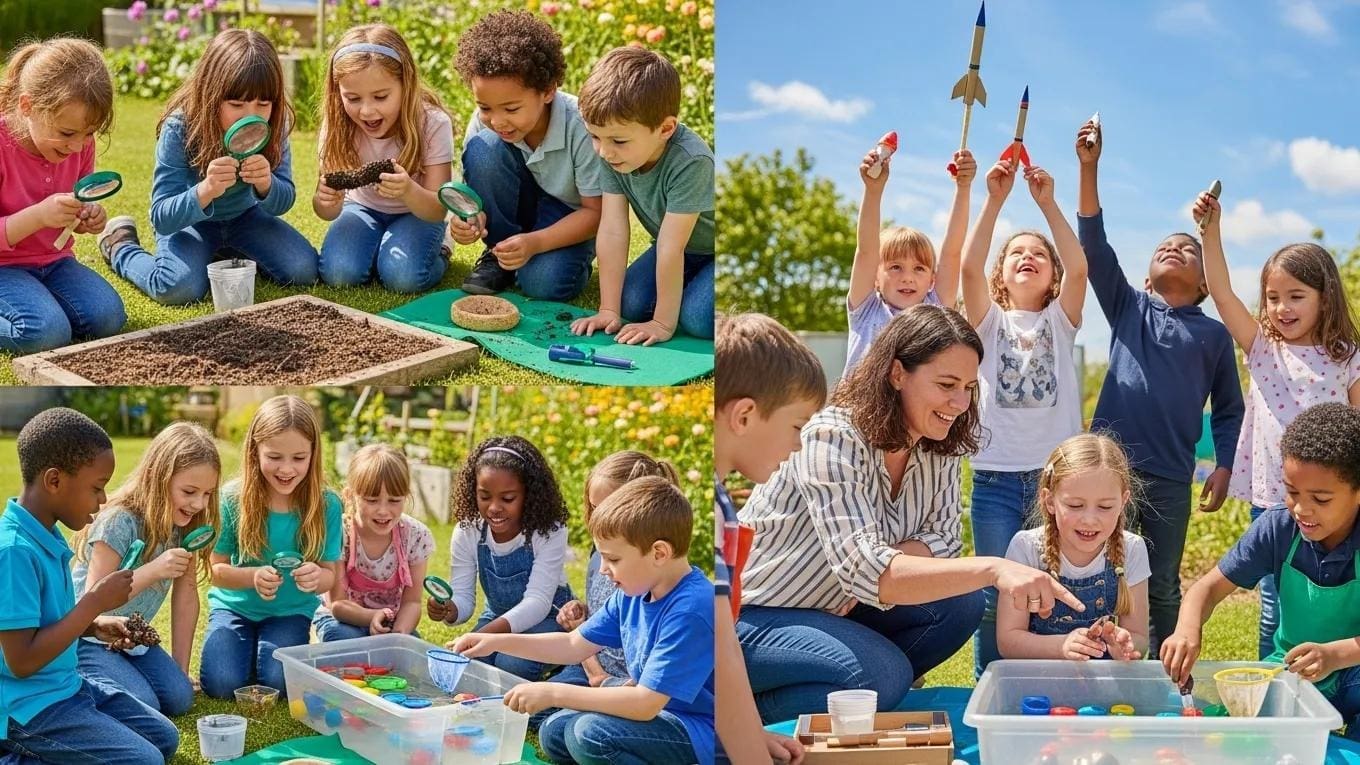
Benefits of Microschools for Your Child’s Growth and Development: Personalized, Community-Focused Education in Seguin, Texas
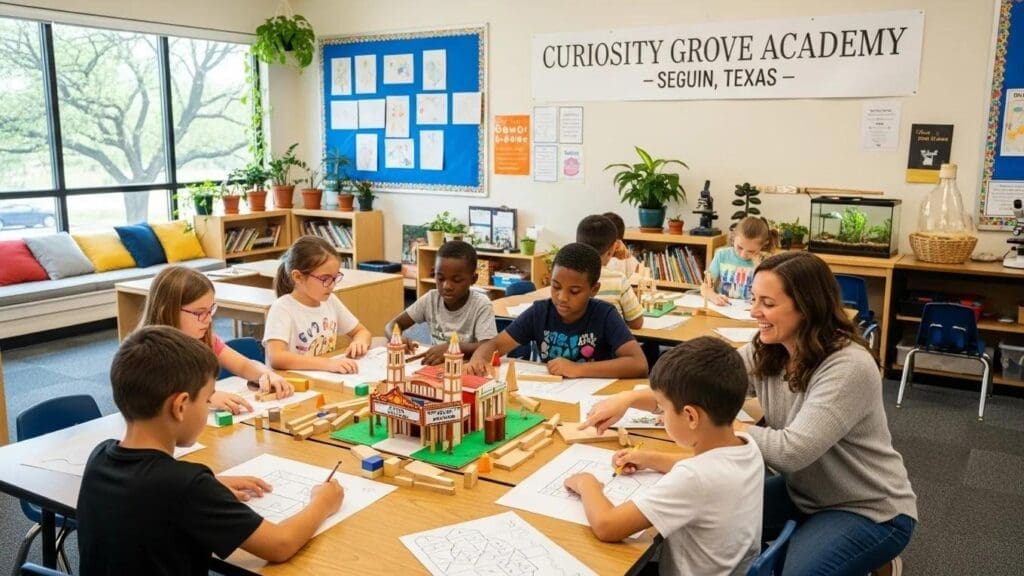
By Brandilynn & Spencer Braxton, Curiosity Grove Academy
Microschools represent a transformative approach to education, emphasizing personalized learning and community engagement. This article explores the myriad benefits of microschools, particularly how they foster holistic development in children. Parents often seek educational environments that cater to their child’s unique needs, and microschools provide a solution through tailored learning experiences. By focusing on small class sizes and hands-on learning, these educational models support not only academic growth but also social-emotional development. We will delve into the definition of microschools, their specific advantages, and how institutions like Curiosity Grove Academy in Seguin, Texas, embody these principles.
What Are Microschools and How Do They Support Child Development?
Microschools are small, community-based educational settings that prioritize personalized learning and close relationships between educators and students. These schools typically serve a limited number of students, allowing for individualized attention and tailored educational experiences. The structure of microschools supports child development by fostering a nurturing environment where children can thrive academically and socially. By focusing on the unique needs of each child, microschools create a supportive atmosphere that encourages exploration and growth.
The concept of small, community-based learning environments gained significant traction, particularly during times when traditional schooling faced challenges.
Pandemic Pods: Small Group Learning & Support
Across the country, some families devised their own solution: the pandemic pod. They brought together small groups of students and enlisted adults–hired instructors, or groups of parent volunteers–to supervise students and support their learning.
Crisis Breeds Innovation: Pandemic Pods and the Future of Education., 2022
Benefits for Child’s Growth and Development
Microschools offer several key benefits that significantly contribute to a child’s growth and development:
- Personalized Learning: Each child receives an individualized learning plan that caters to their strengths and weaknesses, ensuring they progress at their own pace.
- Community Support: The close-knit environment fosters strong relationships among students, parents, and educators, creating a supportive community that enhances learning.
- Holistic Development: Microschools focus on the overall well-being of the child, integrating social-emotional learning with academic instruction.
At Curiosity Grove Academy, the philosophy centers around these principles, providing a unique educational experience that prioritizes the individual needs of each child.
Research further supports the idea that microschools prioritize comprehensive student growth beyond just academics.
Microschools Foster Holistic Development & Independence
Findings suggest that Summit understood schooling as learner formation as much as academic development, emphasizing responsibility, belonging, and increasing independence. These aims were supported through strong routines, a culture of self-direction, and opportunities for real-world application.
What Is School For? Interpreting Purpose and Practice in a Microschool Case Study, CD Justus-Smith, 2026
How Does Personalized Learning in Microschools Benefit Children?
Personalized learning in microschools benefits children by allowing them to engage with material that resonates with their interests and learning styles. This approach enables educators to create individualized learning plans that adapt to each child’s pace, ensuring mastery of concepts before moving on to new material. As a result, children develop a deeper understanding of subjects and a greater love for learning. Furthermore, personalized learning fosters independence and critical thinking skills, preparing children for future academic challenges.
The effectiveness of personalized learning, especially through dedicated platforms, has been further highlighted by recent studies examining its impact on various student outcomes.
Personalized Learning Platforms for Holistic Student Outcomes
The proliferation of settings in which personalized learning platforms have been used during the pandemic offers rich opportunities for describing those use cases and understanding how such platforms might affect students’ academic, social, and emotional outcomes.
Use of Personalized Learning Platforms in One Pandemic-Era Microschool: A Case Study., C Doss, 2022
Role of Cultivators in Guiding Personalized Learning
In microschools, educators, often referred to as cultivators, play a crucial role in guiding personalized learning. These educators are not just instructors; they are mentors who support students in setting goals and holding them accountable for their progress. By fostering a collaborative learning environment, cultivators help children develop essential skills such as problem-solving, communication, and self-regulation. This supportive role is vital in helping children navigate their educational journeys and achieve their full potential.
Why Are Small Class Sizes Crucial for Effective Education?
Small class sizes are a hallmark of microschools and are essential for effective education. With fewer students, educators can provide individualized attention, ensuring that each child’s needs are met. This personalized approach leads to increased engagement and participation, as students feel more comfortable expressing themselves in a smaller group setting. Additionally, small class sizes facilitate stronger relationships between students and teachers, which can enhance motivation and academic performance. Research has shown that students in smaller classes often achieve higher academic outcomes compared to those in larger settings.
How Do Hands-On Learning and Relationship-Based Education Foster Growth?
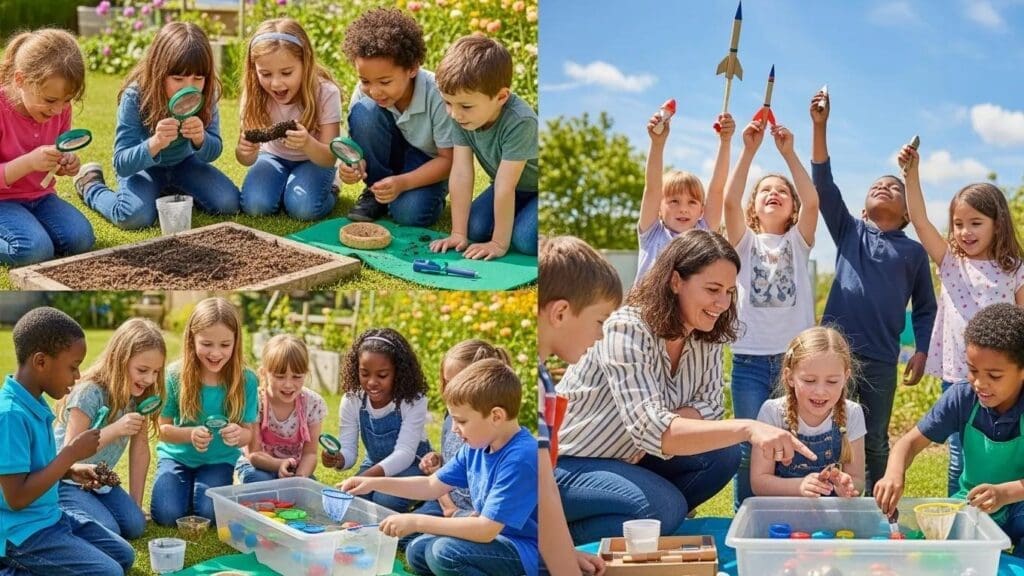
Hands-on learning and relationship-based education are integral components of the microschool model. By engaging students in experiential learning activities, microschools promote active participation and deeper understanding of concepts. This approach allows children to apply their knowledge in real-world contexts, fostering critical thinking and problem-solving skills. Moreover, the emphasis on building strong relationships between students and educators creates a safe and supportive environment where children feel valued and motivated to learn. This nurturing atmosphere is essential for fostering both academic and personal growth.
What Role Do Tutoring and Extracurricular Clubs Play in Child Development?
Tutoring and extracurricular clubs play a significant role in enhancing child development within microschools. These additional resources provide students with opportunities to explore their interests and develop new skills outside the traditional classroom setting. Tutoring offers personalized academic support, helping students overcome challenges and achieve their learning goals. Meanwhile, extracurricular clubs foster social skills, teamwork, and leadership abilities, contributing to a well-rounded educational experience. At Curiosity Grove Academy, a variety of clubs and tutoring options are available to support students’ diverse interests and needs.
How Can Families Enroll and Participate in Curiosity Grove Academy’s Microschool?
Families interested in enrolling their children at Curiosity Grove Academy can follow a straightforward application process. The academy encourages parental involvement, recognizing that family engagement is crucial for a child’s success. Parents can participate in school activities, volunteer opportunities, and community events, fostering a strong partnership between home and school. This commitment to collaboration ensures that the educational experience is enriched and aligned with the values of the families involved. For more information on enrollment and participation, families are encouraged to reach out directly to the academy.
| Benefit | Description | Impact Level |
|---|---|---|
| Personalized Learning | Tailored educational experiences for each child | High |
| Community Support | Strong relationships among students, parents, and educators | High |
| Holistic Development | Focus on social-emotional learning alongside academics | Medium |
This table illustrates the various benefits of microschools, highlighting their significant impact on children’s growth and development. By prioritizing personalized learning, community support, and holistic development, microschools like Curiosity Grove Academy provide a unique educational experience that fosters lifelong learning and personal growth.
In summary, microschools offer a compelling alternative to traditional educational models, emphasizing personalized, community-focused education. With their commitment to individualized learning, small class sizes, and hands-on experiences, microschools like Curiosity Grove Academy in Seguin, Texas, are well-equipped to support children’s growth and development in a nurturing environment.
5/12/2026


Be the first to comment