
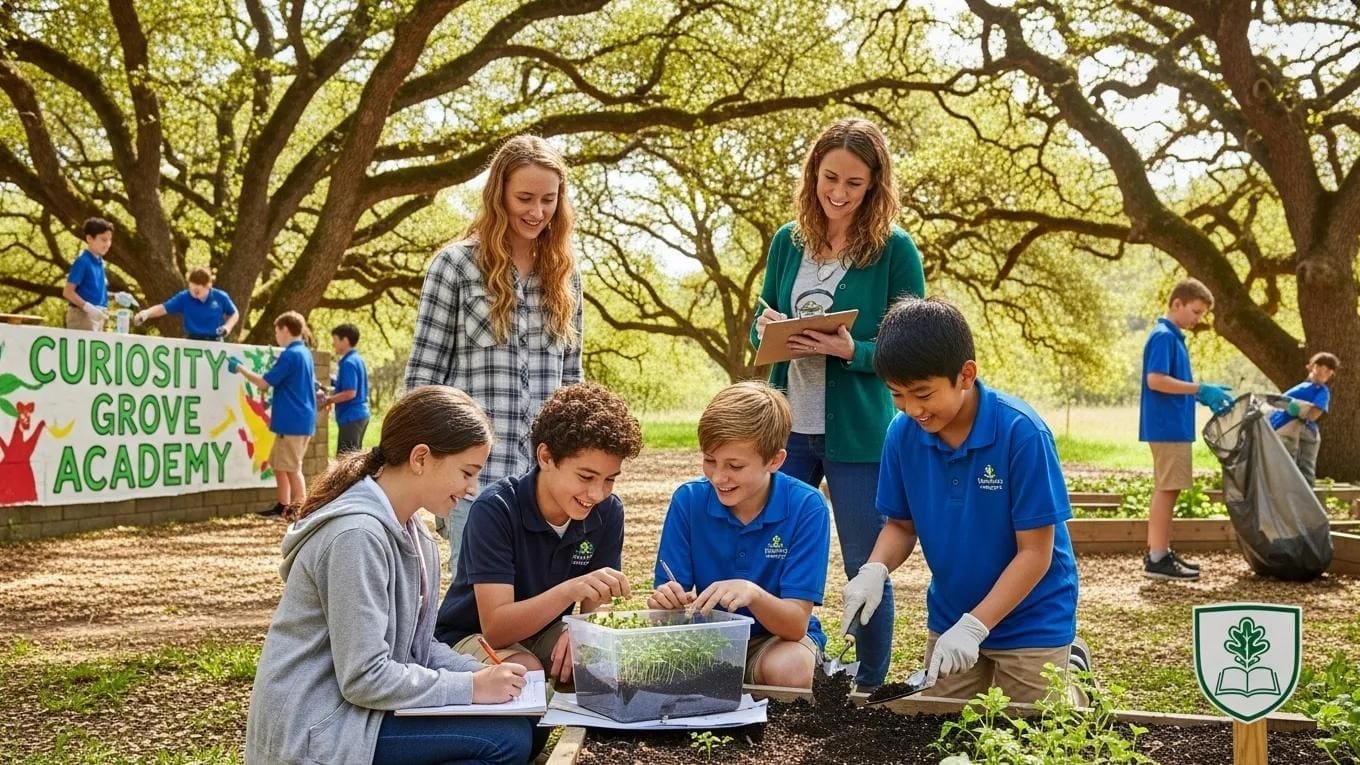
The Unique Benefits of Personalized Education at a Microschool: How Small Class Sizes and Hands-On Learning Empower Students
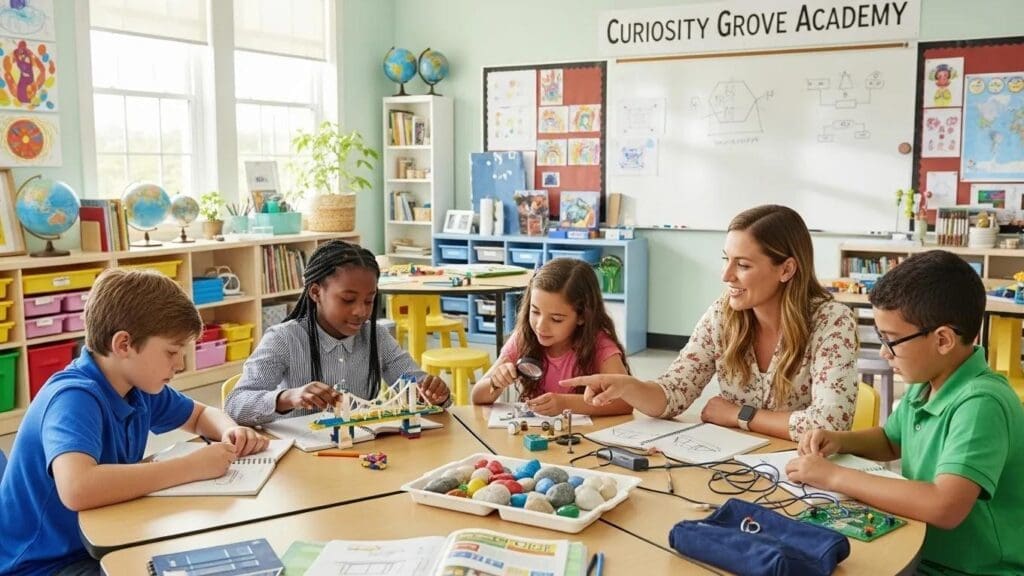
By Brandilynn & Spencer Braxton, Curiosity Grove Academy
Personalized education at a microschool offers a transformative approach to learning, emphasizing tailored experiences that cater to individual student needs. This method fosters an environment where students can thrive academically and socially, leading to enhanced engagement and improved outcomes. At the heart of this educational model is the concept of small class sizes, which allows for more meaningful interactions between students and educators. In this article, we will explore the unique benefits of personalized education, the significance of small class sizes, and how hands-on learning experiences contribute to student growth. We will also discuss the role of relationship-driven education in building a supportive community and the importance of individualized learning plans in achieving student success.
What Are the Core Advantages of Personalized Learning in a Microschool Setting?
Personalized learning in a microschool setting provides several key advantages that significantly enhance the educational experience. This approach allows for tailored instruction that meets the unique needs of each student, fostering a sense of ownership over their learning journey. By focusing on mastery rather than grades, students are encouraged to engage deeply with the material, leading to improved academic outcomes.
How Does Personalized Education Enhance Student Engagement and Outcomes?
Personalized education enhances student engagement by allowing learners to set their own goals and take ownership of their learning. This autonomy fosters a sense of responsibility and accountability, motivating students to actively participate in their education. Additionally, mixed-age learning environments promote collaboration and peer mentoring, further enriching the educational experience. Research indicates that students in personalized learning settings often achieve higher academic outcomes due to their increased motivation and engagement.
What Role Do Individualized Learning Plans Play in Student Success?
Individualized Learning Plans (ILPs) are crucial in personalized education, as they outline specific goals and strategies tailored to each student’s needs. These plans encourage students to take ownership of their learning by setting achievable objectives and tracking their progress. Moreover, ILPs facilitate the development of real-life skills, such as critical thinking and problem-solving, which are essential for success in today’s world. By focusing on holistic development, including character education, ILPs contribute significantly to overall student success.
Why Do Small Class Sizes Matter in Microschool Education?
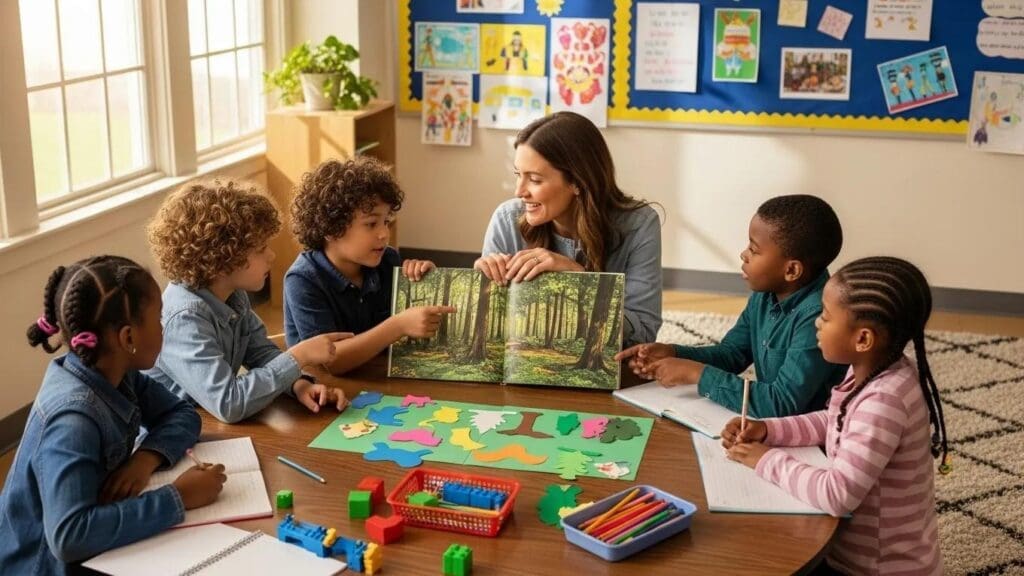
Small class sizes are a defining feature of microschool education, offering numerous benefits that enhance the learning experience. With fewer students in each class, educators can provide individualized attention, ensuring that each learner receives the support they need to thrive. This focused approach not only improves academic outcomes but also fosters stronger relationships between students and teachers.
How Do Small Groups Foster Strong Student-Teacher Relationships?
In small class settings, teachers can engage with students on a personal level, fostering strong relationships that enhance the learning experience. Personalized attention allows educators to understand each student’s unique strengths and challenges, enabling them to tailor their teaching methods accordingly. Daily goal-setting interactions and mentorship opportunities further strengthen these bonds, creating a supportive learning environment where students feel valued and understood.
What Academic Benefits Result from Focused Attention in Small Classes?
Focused attention in small classes leads to significant academic benefits, including improved mastery of subjects and enhanced collaboration among peers. Students receive individualized feedback that helps them identify areas for improvement, while mixed-age learning encourages them to learn from one another. This collaborative atmosphere not only boosts confidence but also fosters a sense of community, which is essential for academic success.
How Does Hands-On Education at Curiosity Grove Academy Support Learner Growth?
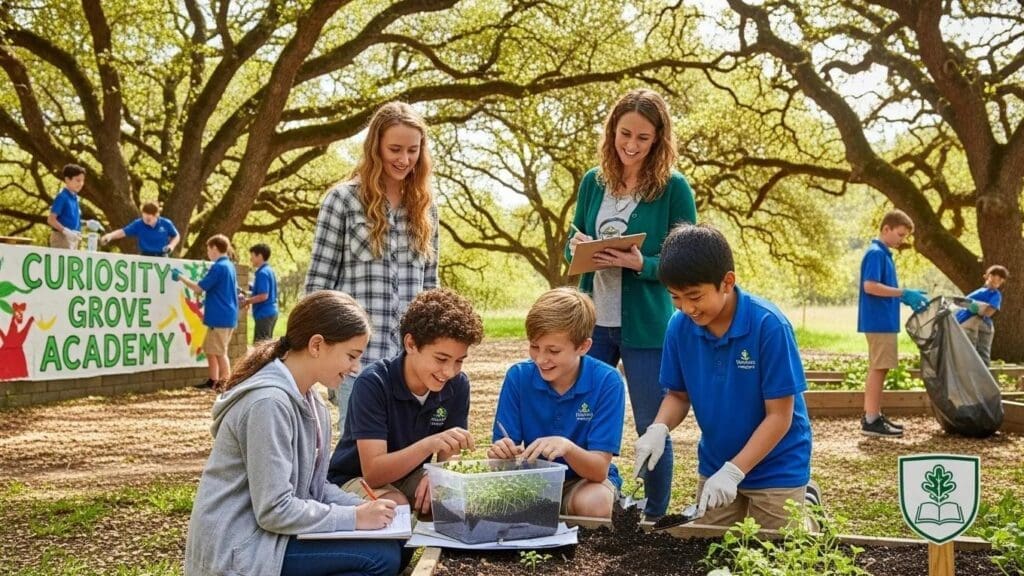
Hands-on education is a cornerstone of the learning experience at Curiosity Grove Academy, where students engage in experiential learning activities that promote active participation. This approach not only enhances engagement but also helps students develop practical skills that are applicable in real-world situations. By immersing themselves in hands-on projects, learners gain a deeper understanding of the material and its relevance to their lives.
What Are Examples of Experiential Learning Activities in Microschools?
Experiential learning activities in microschools can take many forms, including passion projects, community involvement, and outdoor learning experiences. These activities encourage students to explore their interests and apply their knowledge in meaningful ways. For instance, students might engage in a community service project that allows them to practice teamwork and problem-solving skills while making a positive impact on their surroundings.
How Do Mixed-Age Pods Encourage Collaboration and Curiosity?
Mixed-age pods are an innovative feature of microschool education that fosters collaboration and curiosity among students. By working together on projects, older students can mentor younger peers, while younger students bring fresh perspectives to the learning process. This dynamic encourages curiosity and exploration, as students learn from one another and develop a sense of community within the classroom.
In What Ways Does Relationship-Driven Education Build a Supportive Community?
Relationship-driven education is fundamental to the microschool model, as it emphasizes the importance of strong connections between students, teachers, and families. This approach creates a supportive community where learners feel safe to express themselves and take risks in their learning. By fostering these relationships, microschools can cultivate an environment that promotes both academic and social-emotional growth.
How Is Family Involvement Integrated into the Microschool Experience?
Family involvement is a key component of the microschool experience, as it helps to reinforce the values and expectations of the educational community. Programs like the Apogee Parent Mentorship Program encourage parents to engage actively in their child’s education, fostering a sense of shared responsibility. This collaboration between families and educators strengthens the community and enhances the overall learning experience for students.
What Is the Role of Cultivators in Nurturing Student Development?
Cultivators, or educators, play a vital role in nurturing student development within the microschool model. They provide personalized support and guidance, helping students navigate their learning journeys. By encouraging ownership of learning and facilitating mixed-age mentorship, cultivators create an environment where students can thrive academically and socially.
What Should Families Know About Enrollment, Tuition, and Application Processes?
Families interested in enrolling their children at Curiosity Grove Academy should be aware of the enrollment process, tuition structure, and key application requirements. Understanding these aspects is essential for making informed decisions about their child’s education.
How Transparent Is Curiosity Grove Academy About Costs and Expectations?
Curiosity Grove Academy prides itself on transparency regarding tuition fees and enrollment requirements. Families can expect clear communication about costs and any additional financial considerations, ensuring that they are well-informed throughout the application process.
What Steps Are Involved in Applying to a Personalized Microschool?
The application process for a personalized microschool typically involves several key steps, including initial contact, submission of an application, and a Zoom call for fit assessment. Families will receive an acceptance notification once the process is complete, allowing them to prepare for their child’s transition to the microschool environment.
How Can Prospective Families Take Action to Join Curiosity Grove Academy?
Prospective families can take action to join Curiosity Grove Academy by expressing their interest and completing the application process. Engaging with the community and participating in school events can also help families become familiar with the microschool environment and its values.
Where Can Families Find Resources and Guides About Personalized Education?
Families seeking resources and guides about personalized education can explore various recommended books, videos, and online resources. These materials can provide valuable insights into the benefits of personalized learning and how to navigate the educational landscape effectively.
What Are the Benefits of Applying Early to a Microschool Program?
Applying early to a microschool program offers several advantages, including securing a spot in the program and building community connections. Early applicants also gain a better understanding of the educational model, which can help them make informed decisions about their child’s education.
5/12/2026


Be the first to comment